Himlung Himal Expedition's (7,126m) Overview
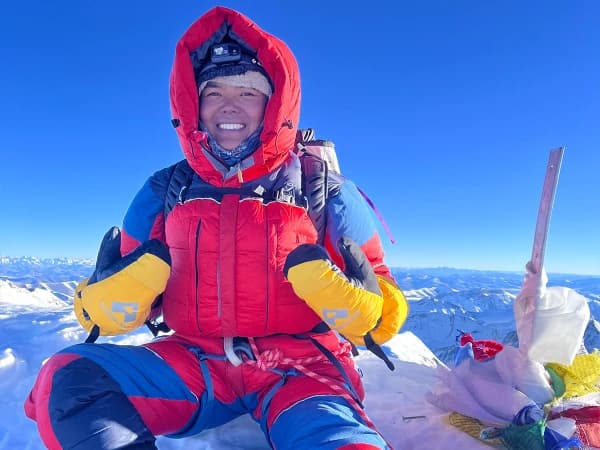
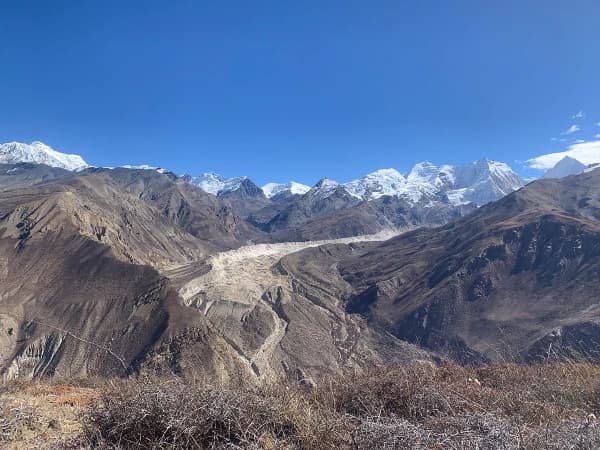
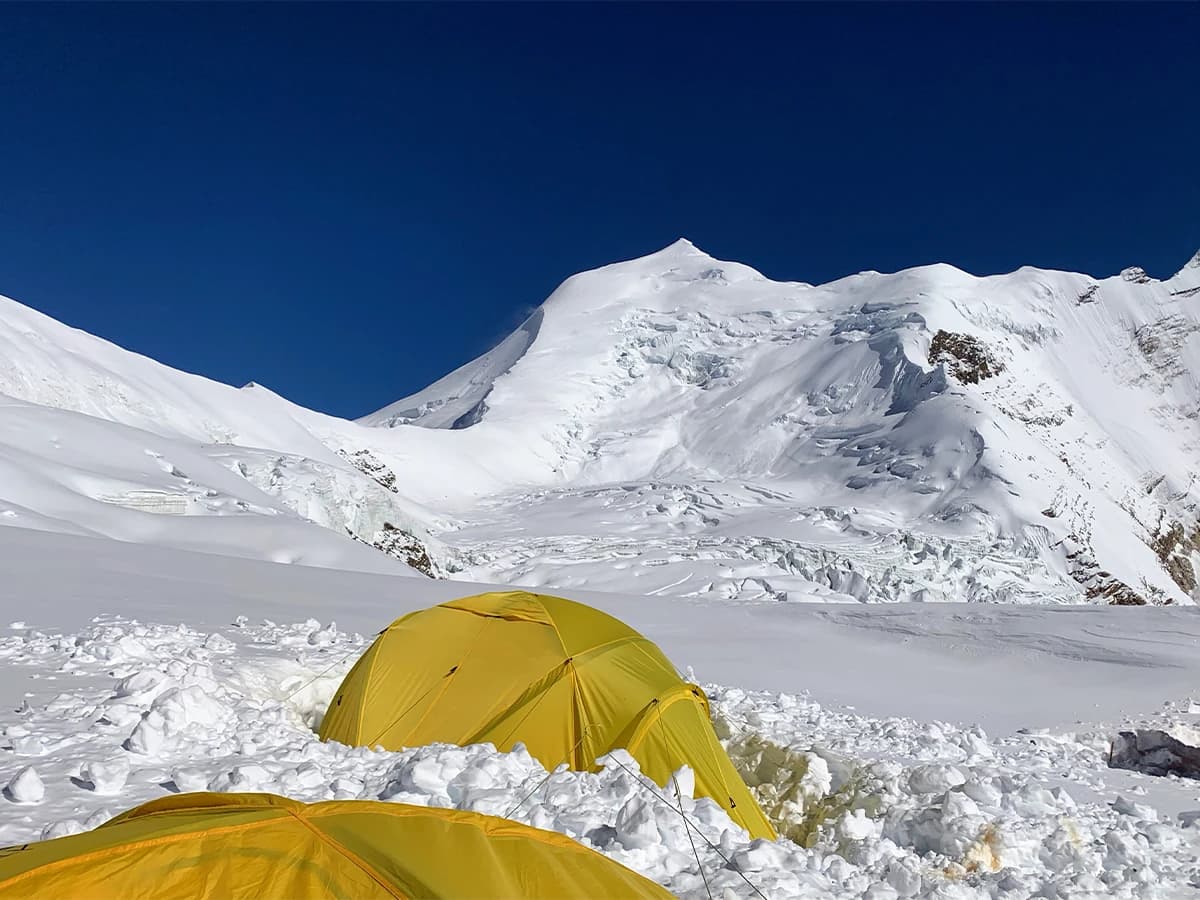
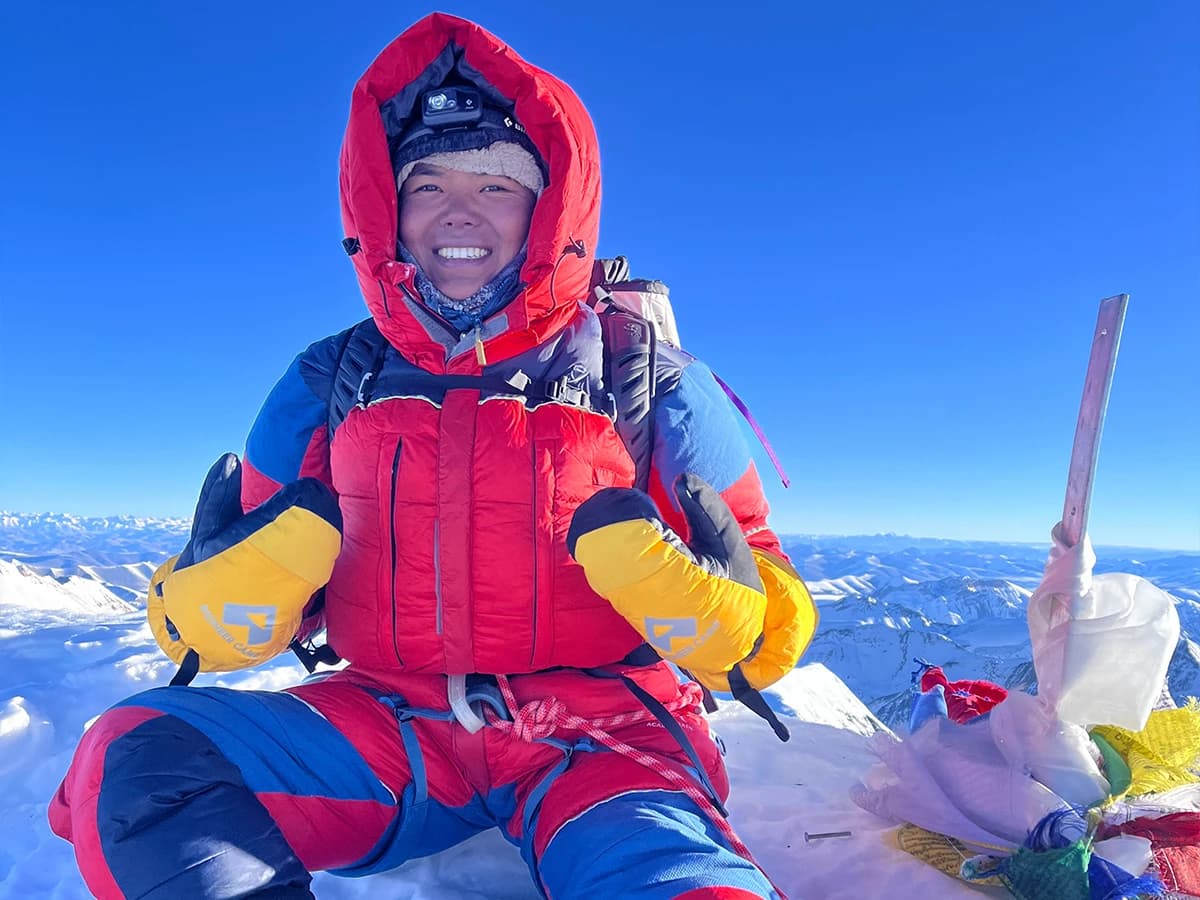
Himlung is far remote paradise peak with an elevation 7,126 meters above sea level, It is a classic 7,000 expedition situated at northeast of Annapurna region in Manang District, Nepal. This peak is lies to the eastern end of the Phu Valley, which eventually shares border with Tibet via Himlung’s subsidiary peak-Himlung East. This peak is suitable for those climbers who have already done 6,000 meters and looking to push their altitude experience to the next level. Beside that if you are planning to climb 8,000 meters it absolutely support you conquer dream successfully. Himlung Himal is relatively easy considering technicalities and safer from avalanches and rock falls. So it is often considered one of the more accessible and less technically demanding 7,000 meters peaks (can be a training peak for 8,000 meters mountains), but it still requires a high level of fitness and previous high-altitude experience.
Highlights
- Climb 7,126 meters Himlung Himal, northeast of the Annapurna region.
- Fully guided expedition in a remote part of Nepal.
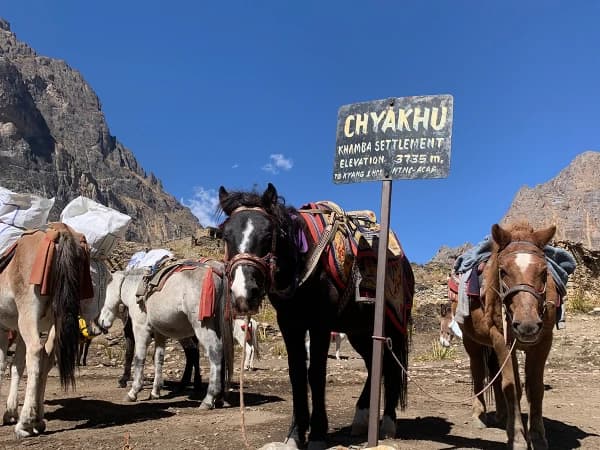
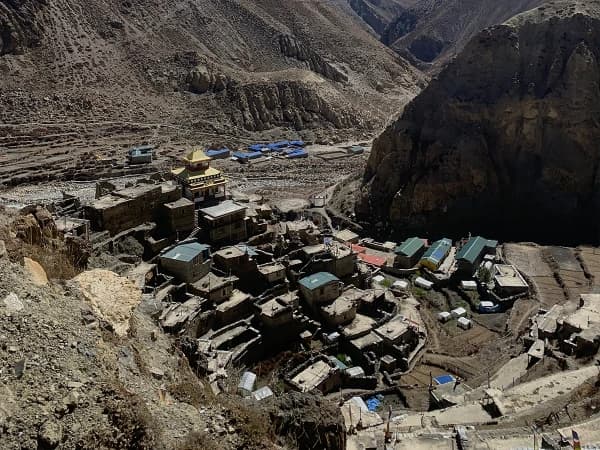
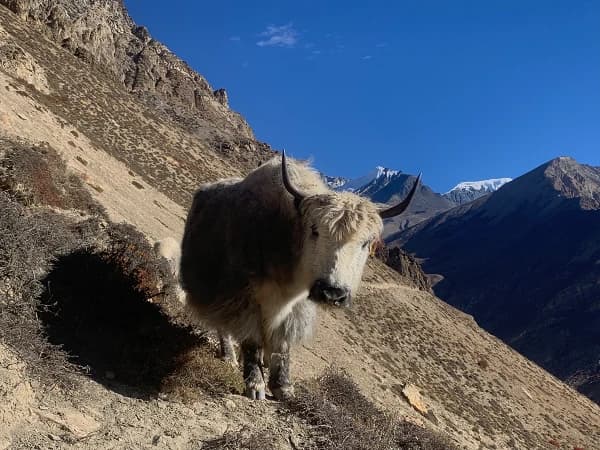
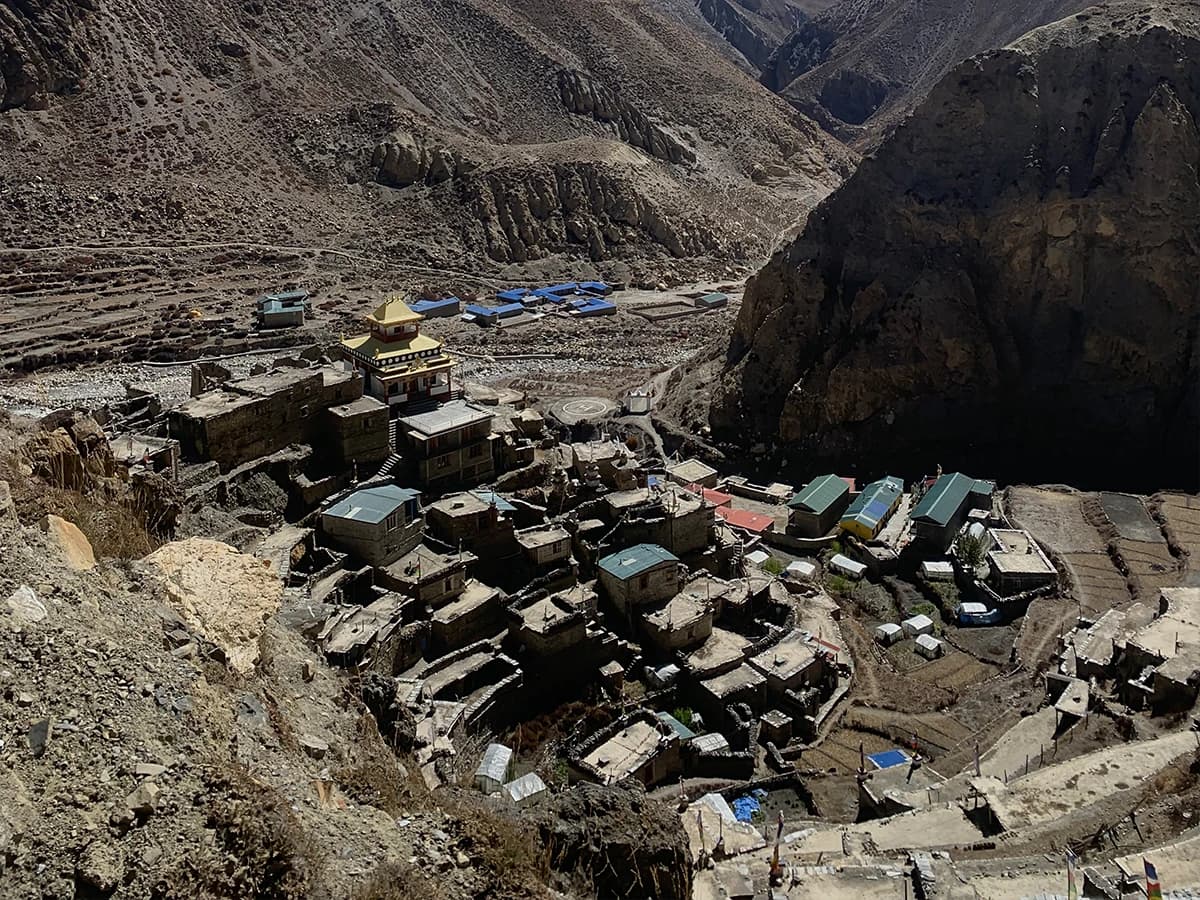
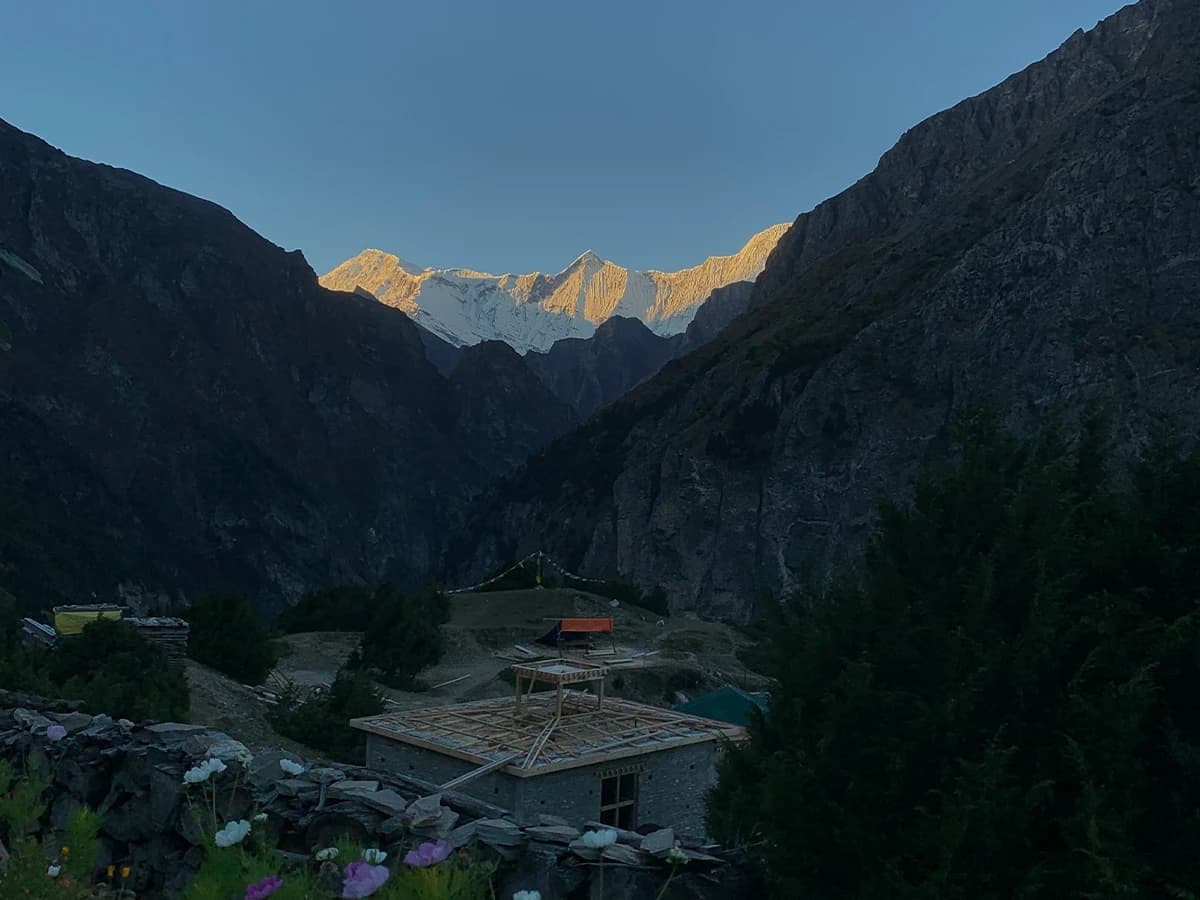
- Trek to base camp is a major highlight itself, passing through the mystical, untouched villages of Nar and Phu Valley.
- Expedition falls within the Manaslu Conservation Area, known for its rich biodiversity and stunning natural scenery.
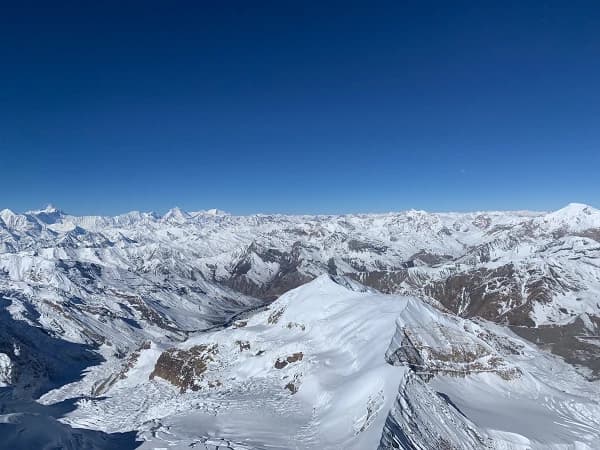
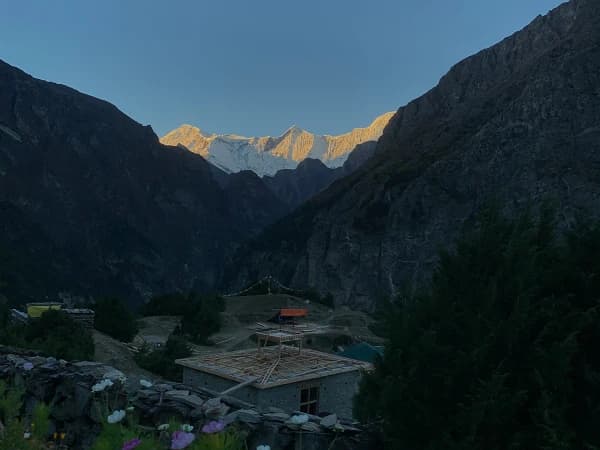
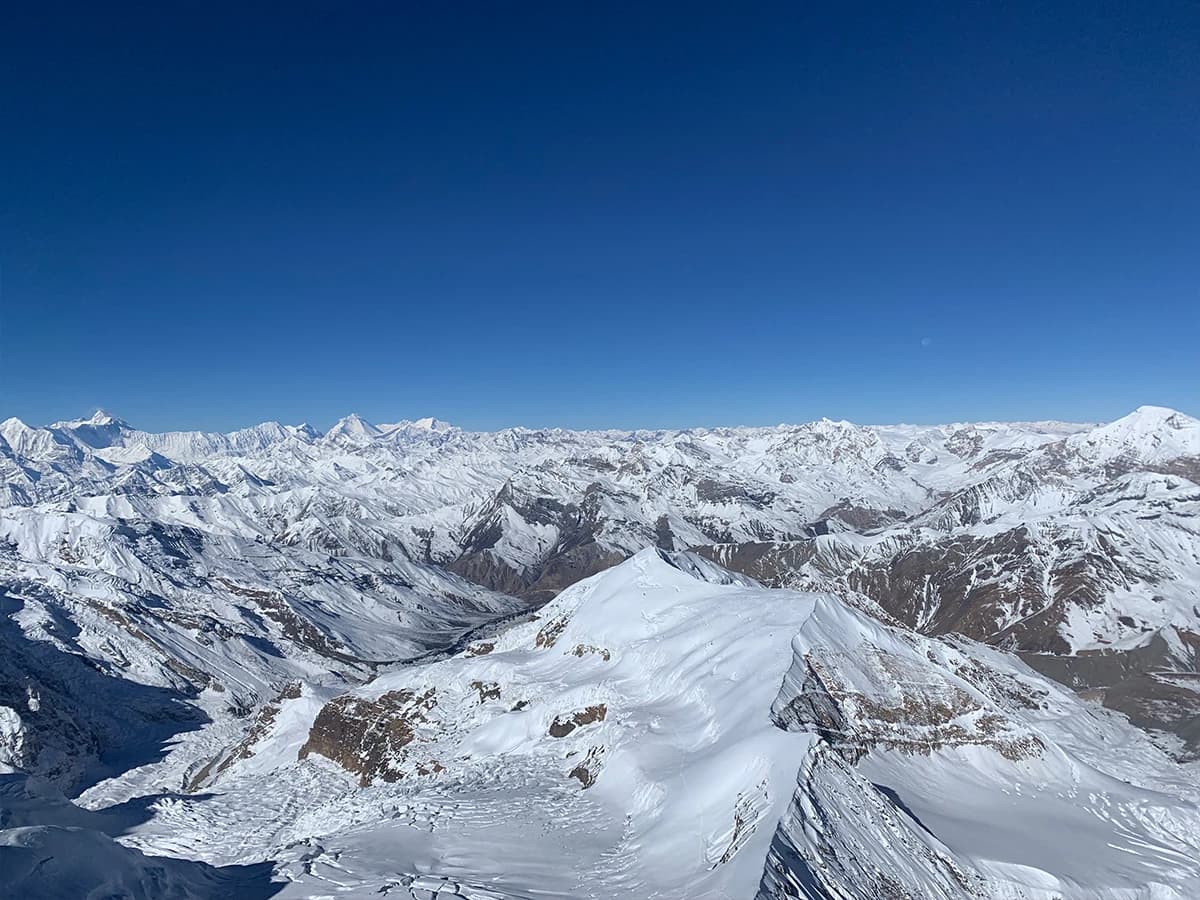
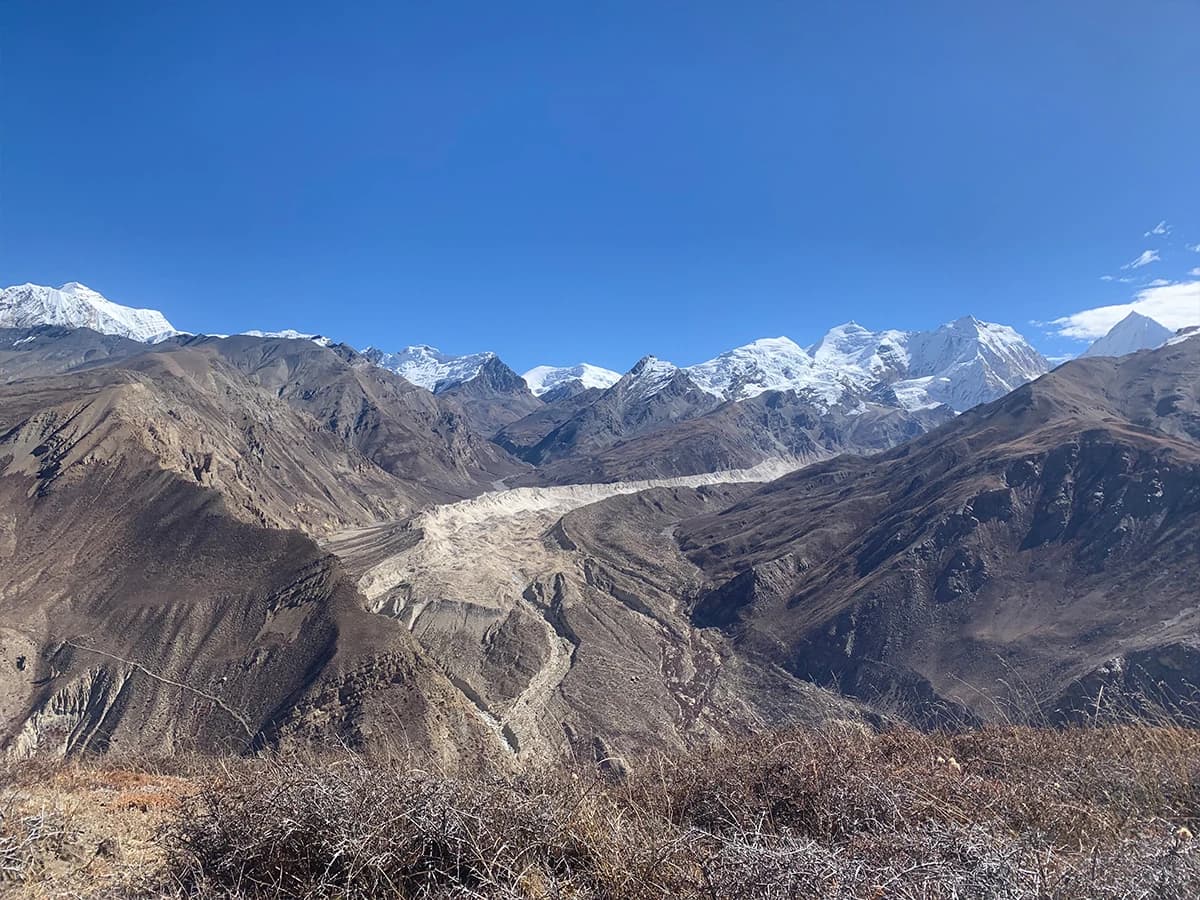
- Offers breath-taking panoramic views of the surrounding Himalayan giants, including Manaslu (8,163 meters), the Annapurna range, Ganesh Himal, and the peaks near the Tibetan border.
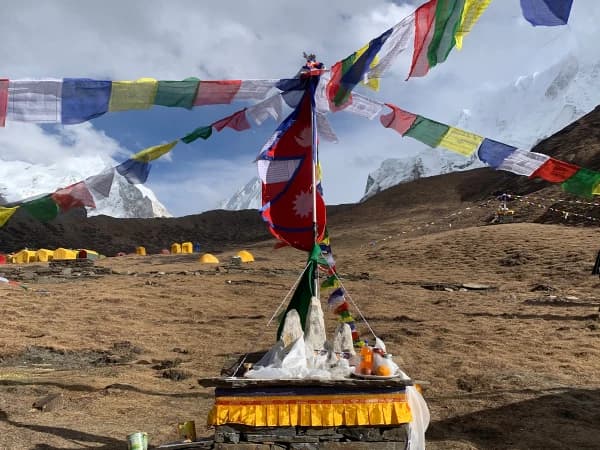
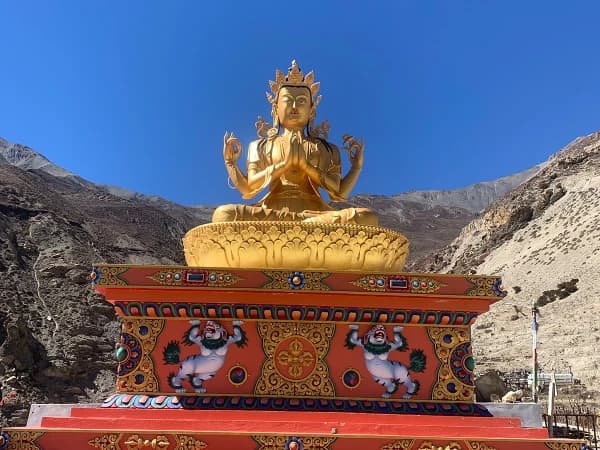
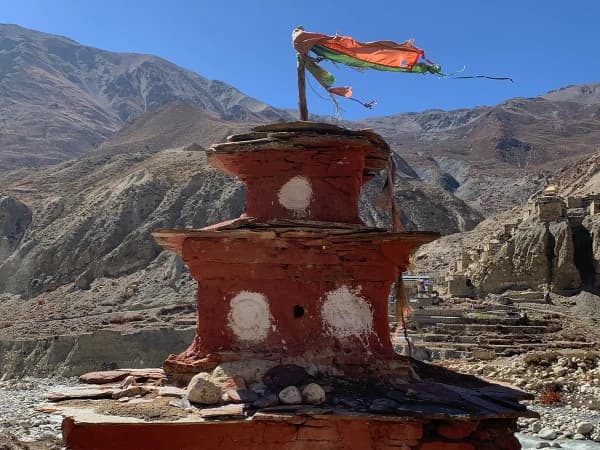
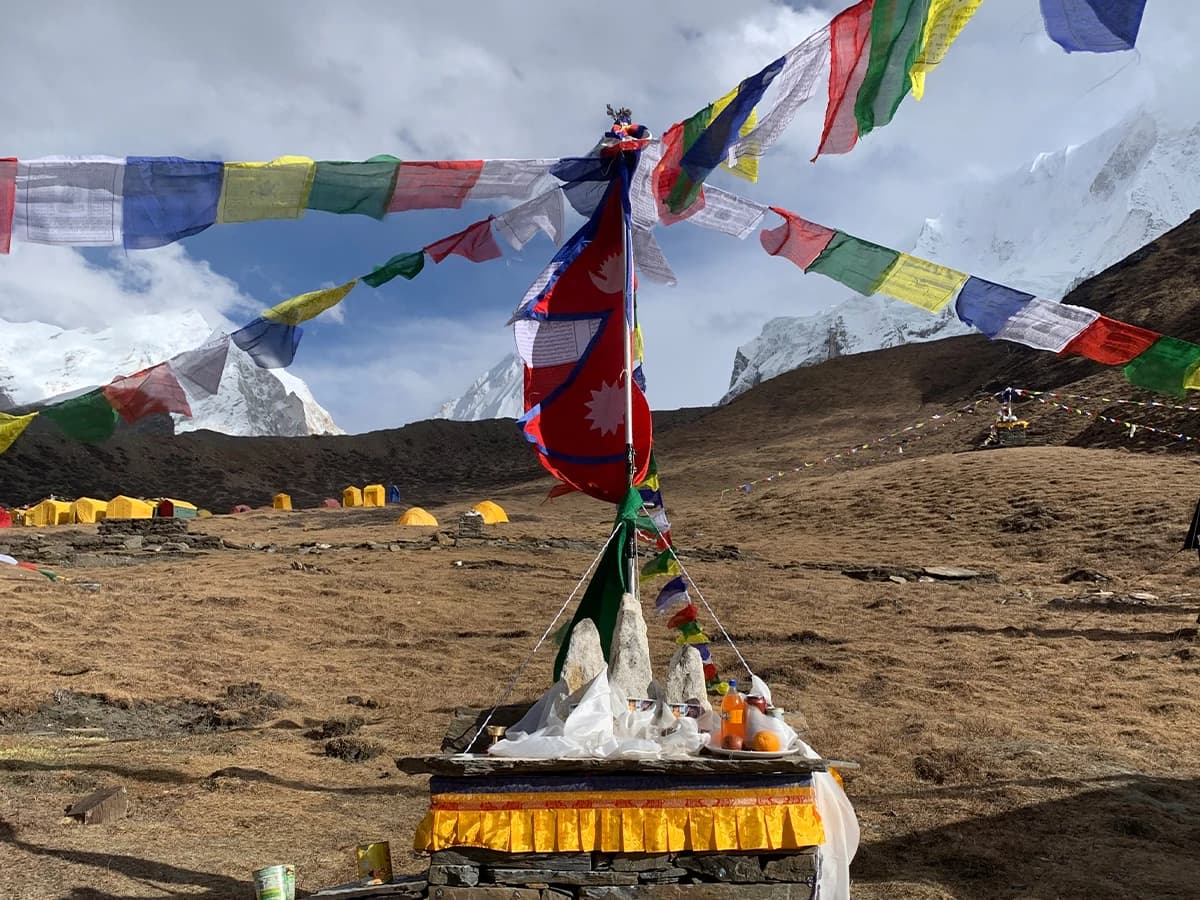
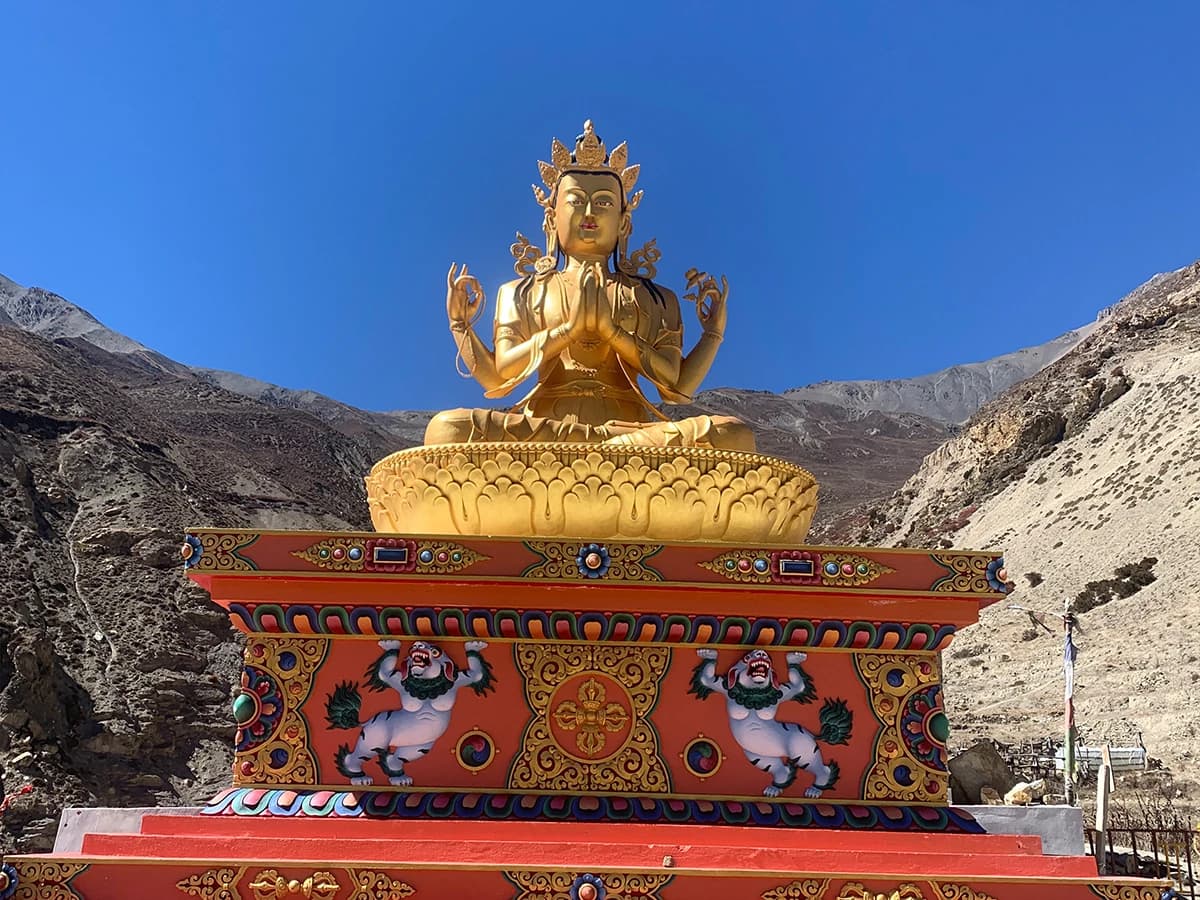
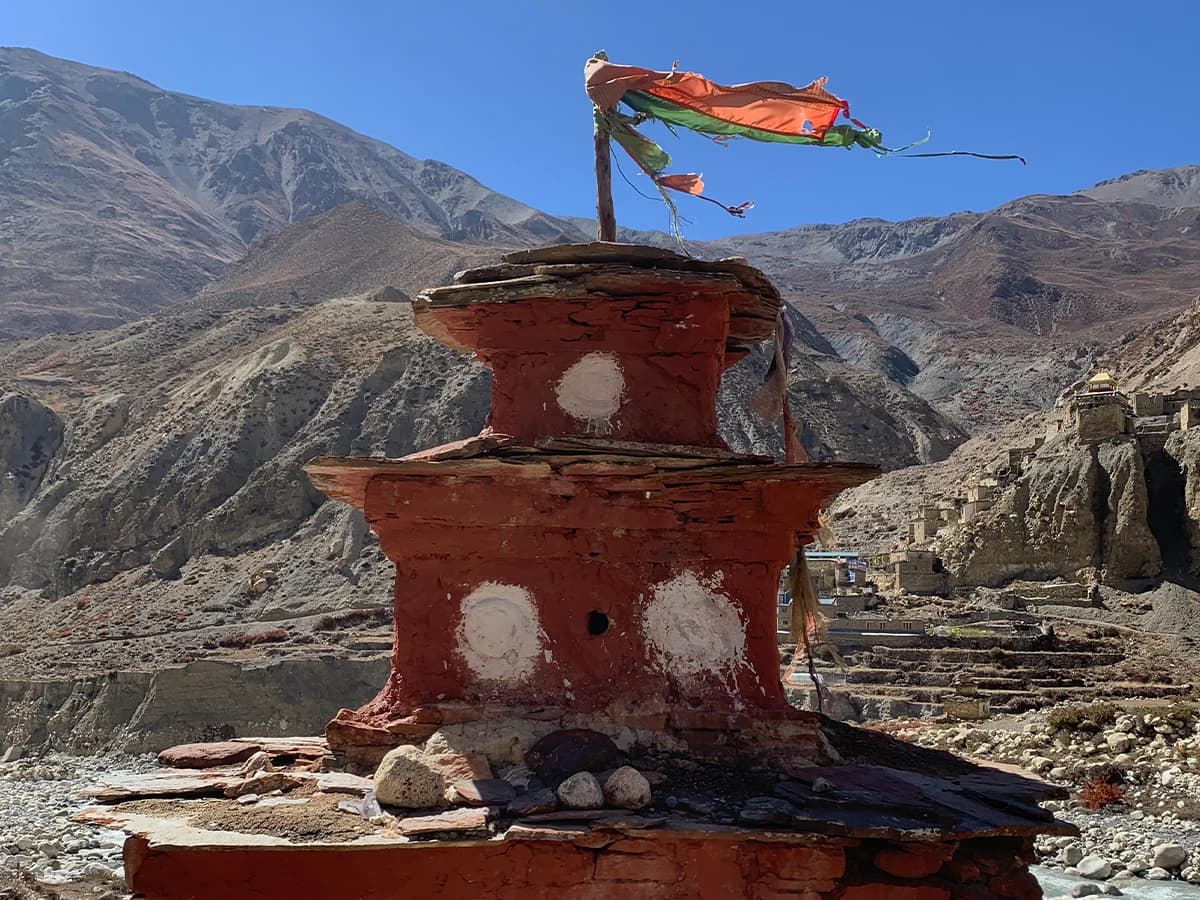
- Get an opportunities to explore Tibetan/Buddhist cultural heritage, featuring ancient monasteries, chortens, and a traditional way of life that is rare in more popular trekking areas.
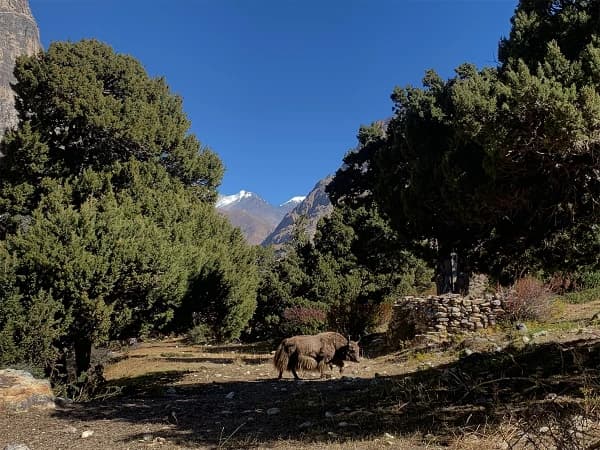
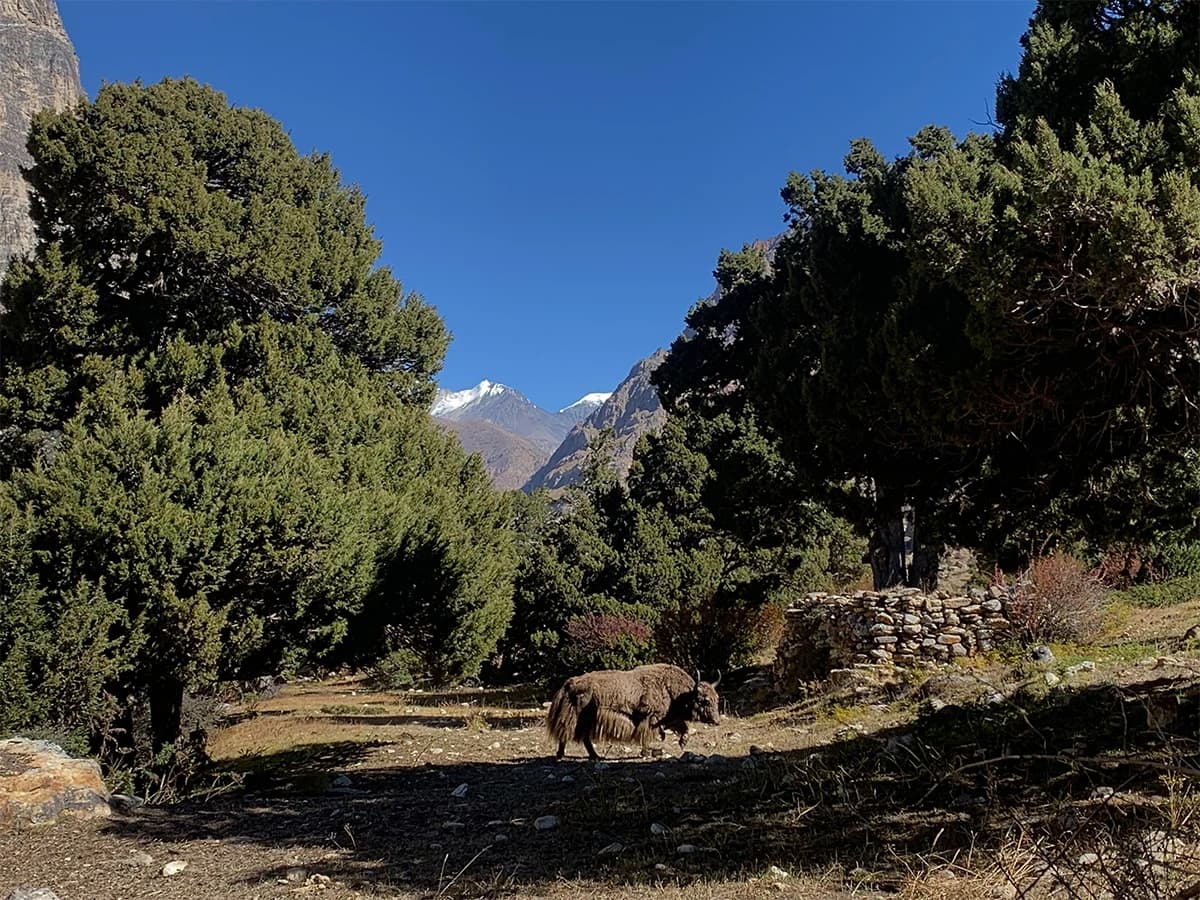
- The journey follows a section of the Annapurna Circuit trail before diverting into the secluded Nar-Phu Valley, offering a diverse landscape of deep gorges, pristine forests, glacial streams, and high-alpine pastures.
Himlung Expedition Trekking & Climbing Routes
This expedition journey typically takes around 28 to 30 days total from arrival in Kathmandu. The trip begins with a drive from Kathmandu to Besisahar/Koto, following a trail that branches off the classic Annapurna Circuit route into the isolated Nar-Phu Valley.
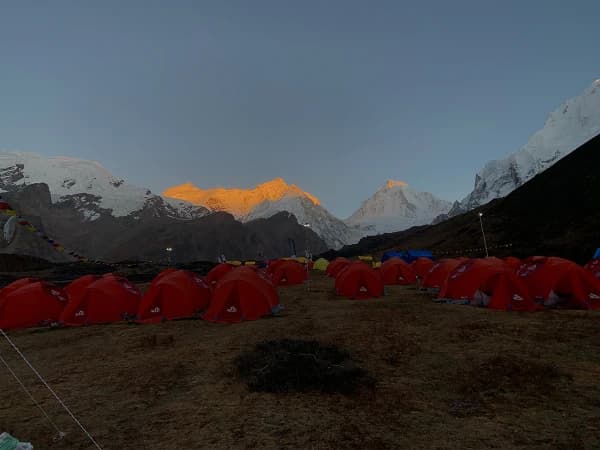
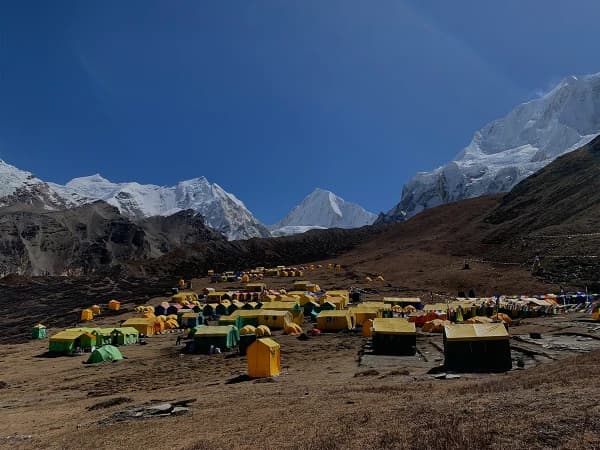
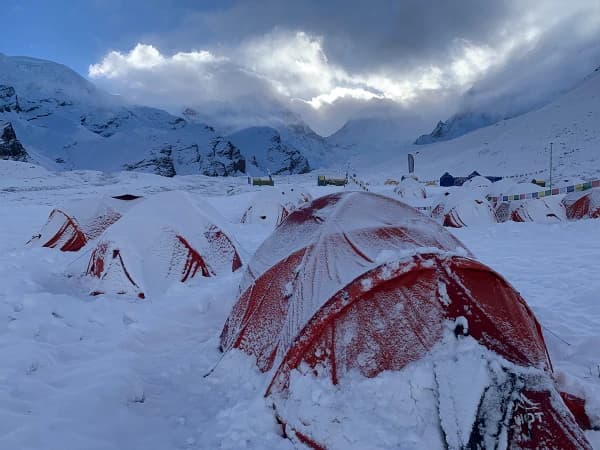
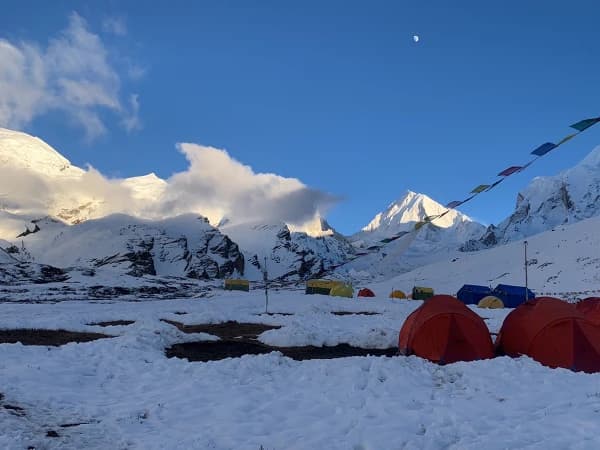
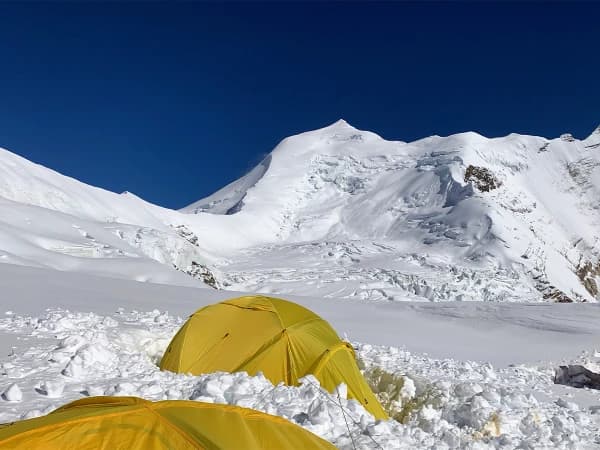
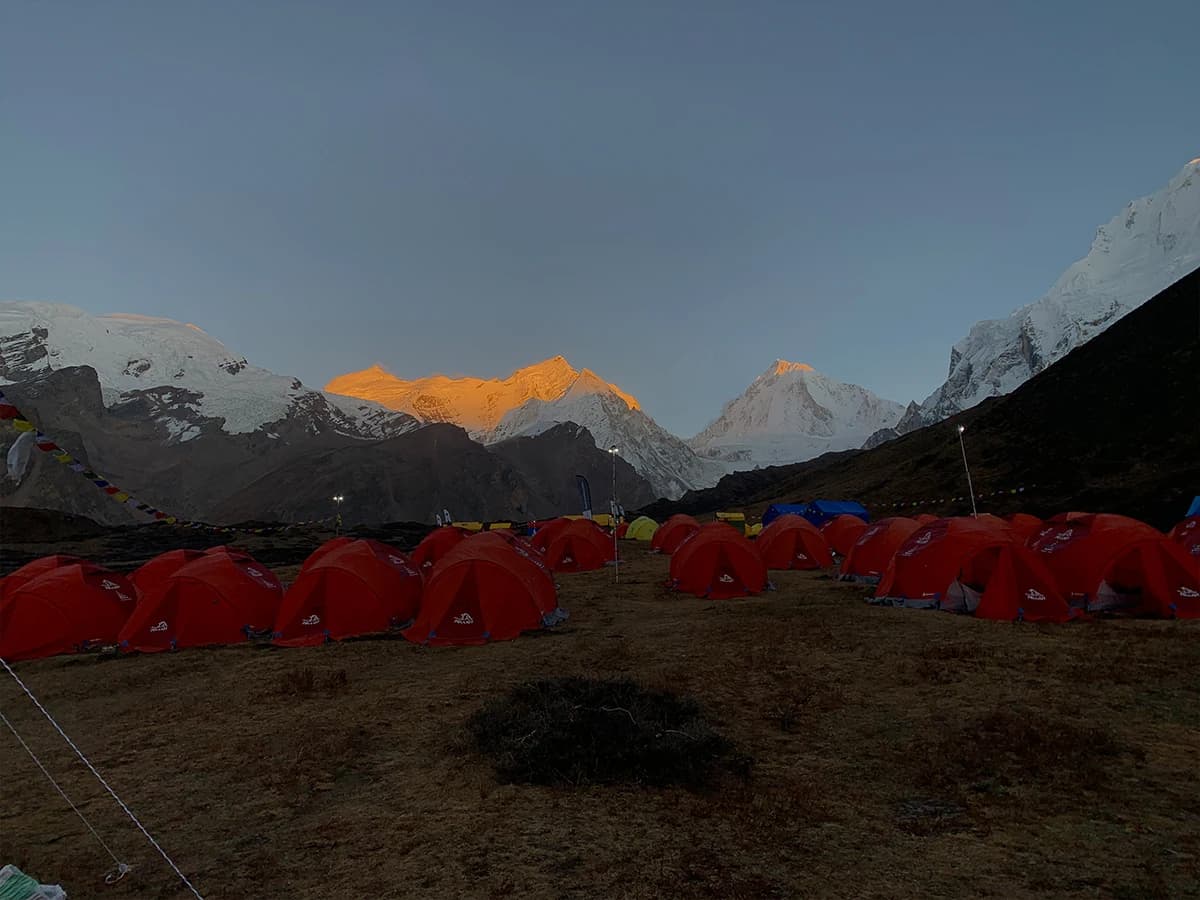
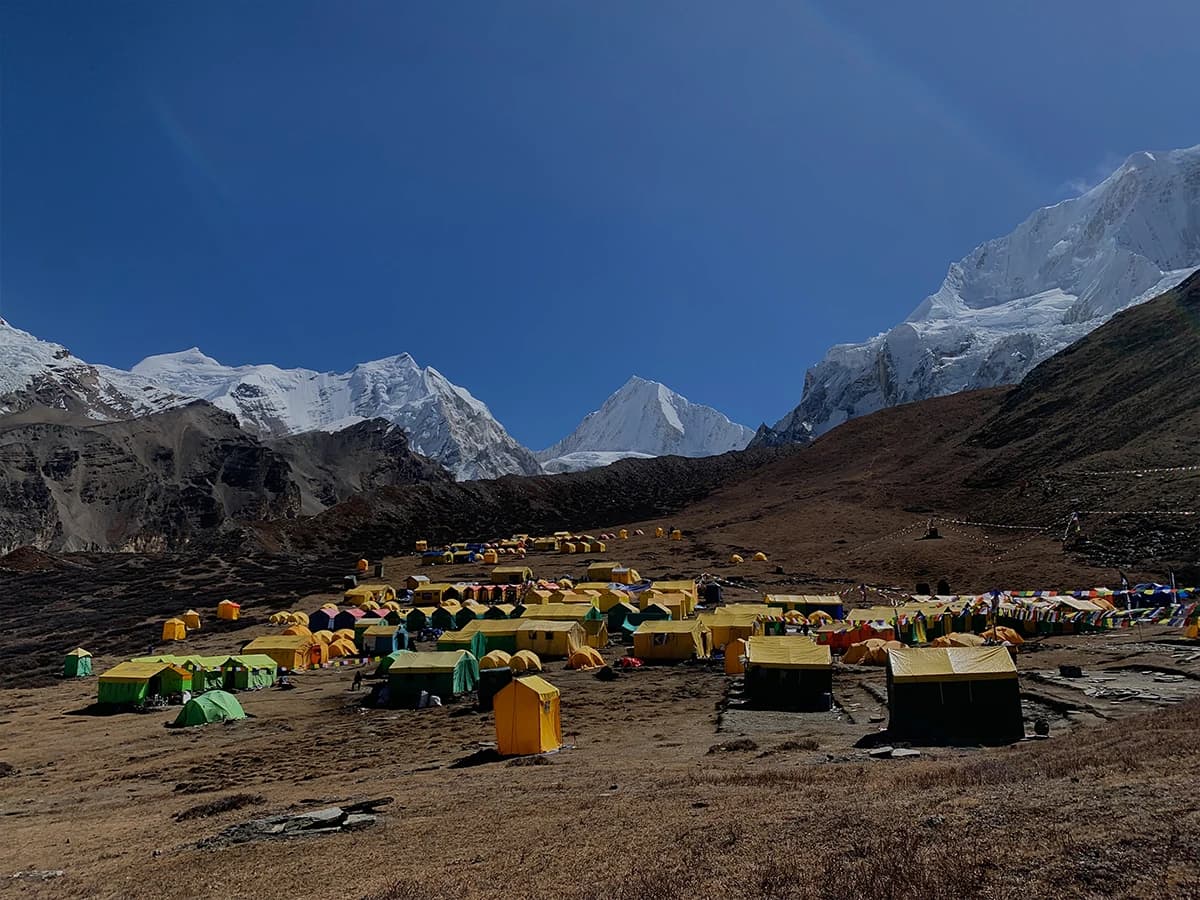
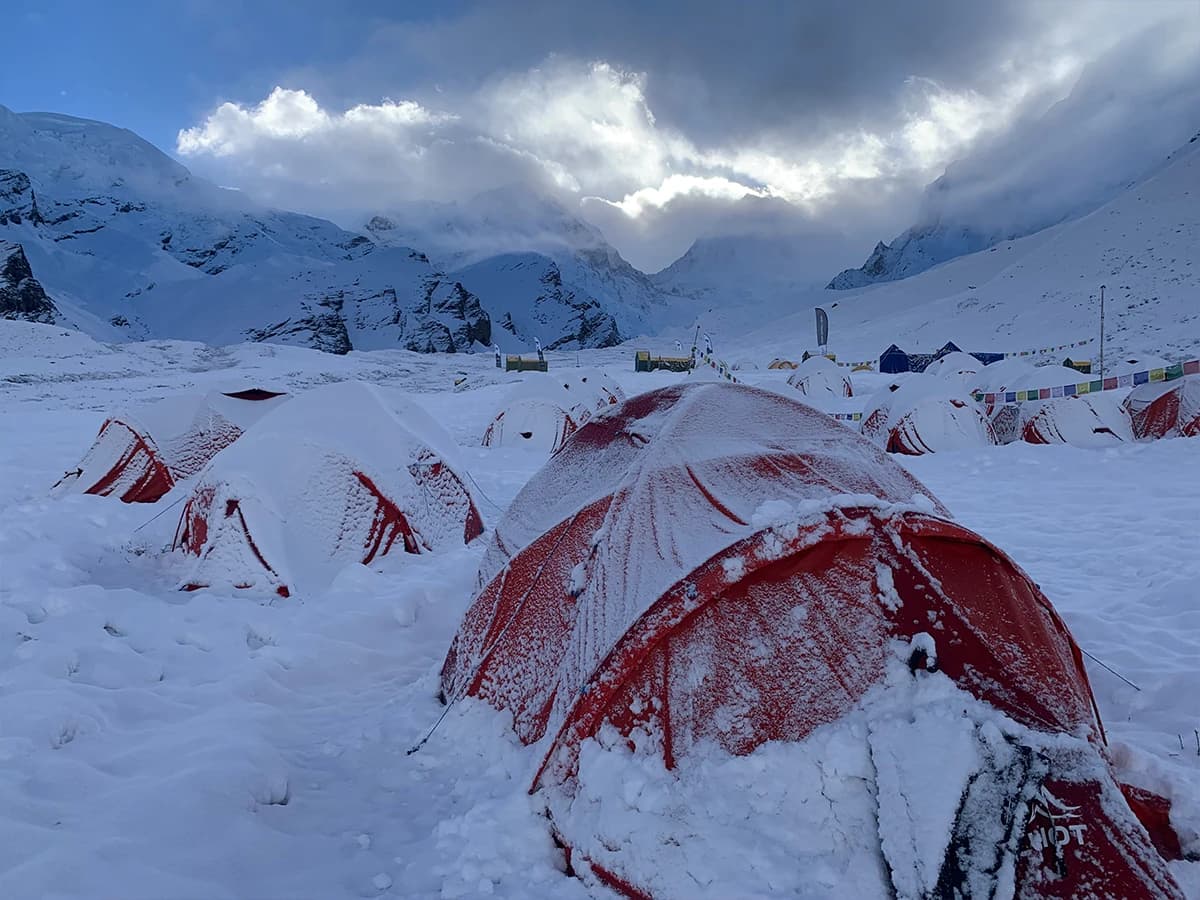
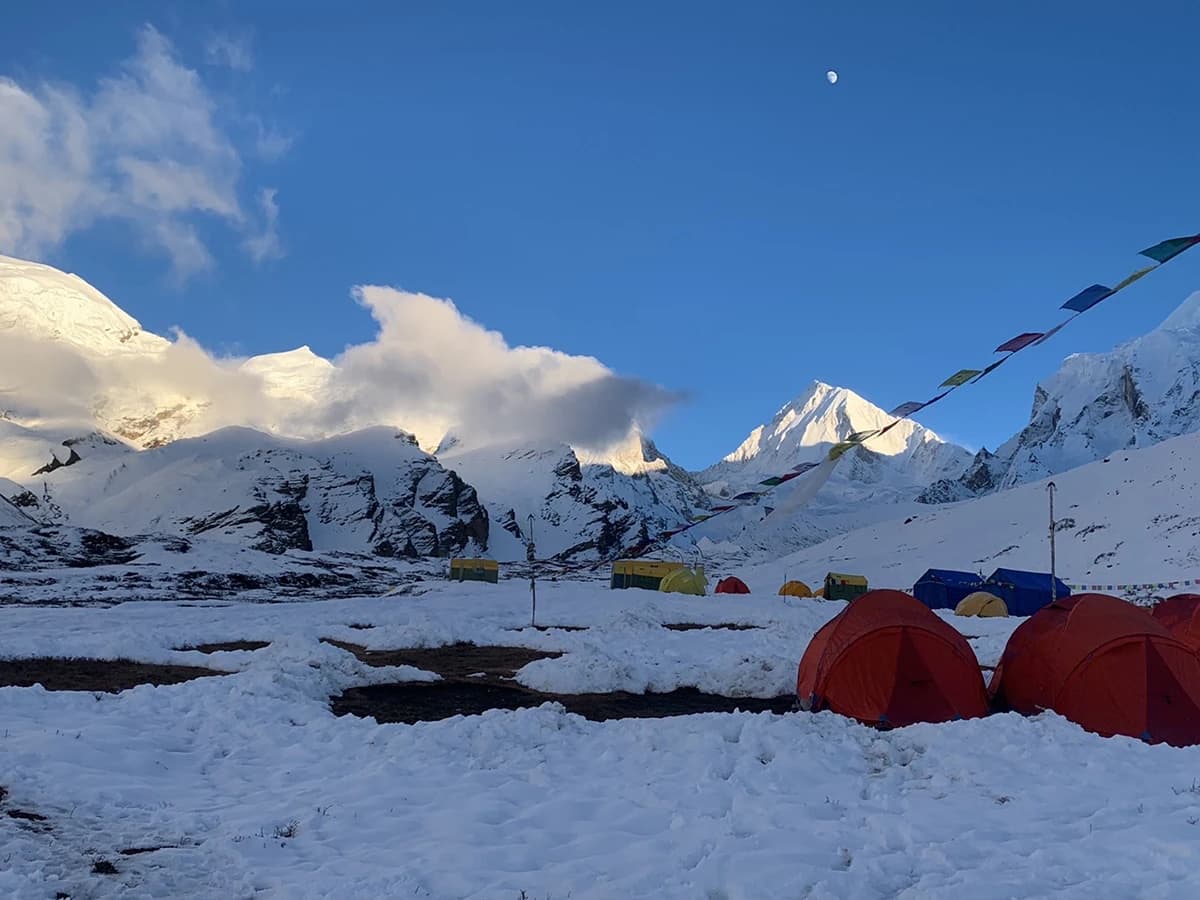
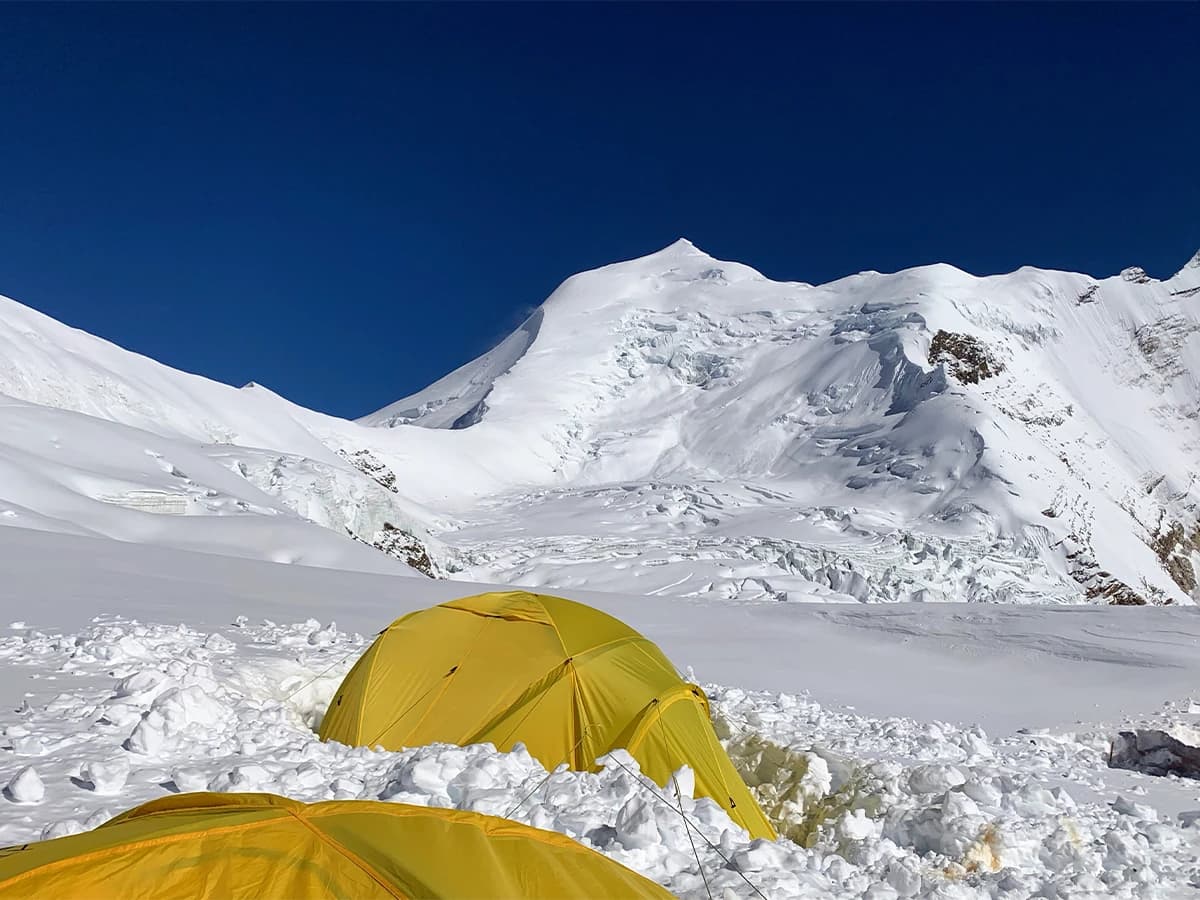
Himlung Base Camp is usually established at approximately 4,850 to 4,900 meters above the ancient Tibetan-influenced village of Phu Gaun. Expedition typically establish three higher camps, at height of 5,450 meters Camp I, 6,000 meters Camp II, and 6,350 meters Camp III. Camp three is often used as a starting point for the summit push or sometimes skipped in favour of a longer push from Camp II.
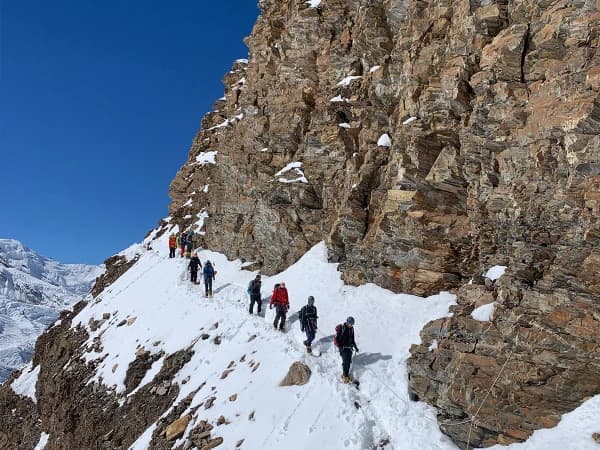
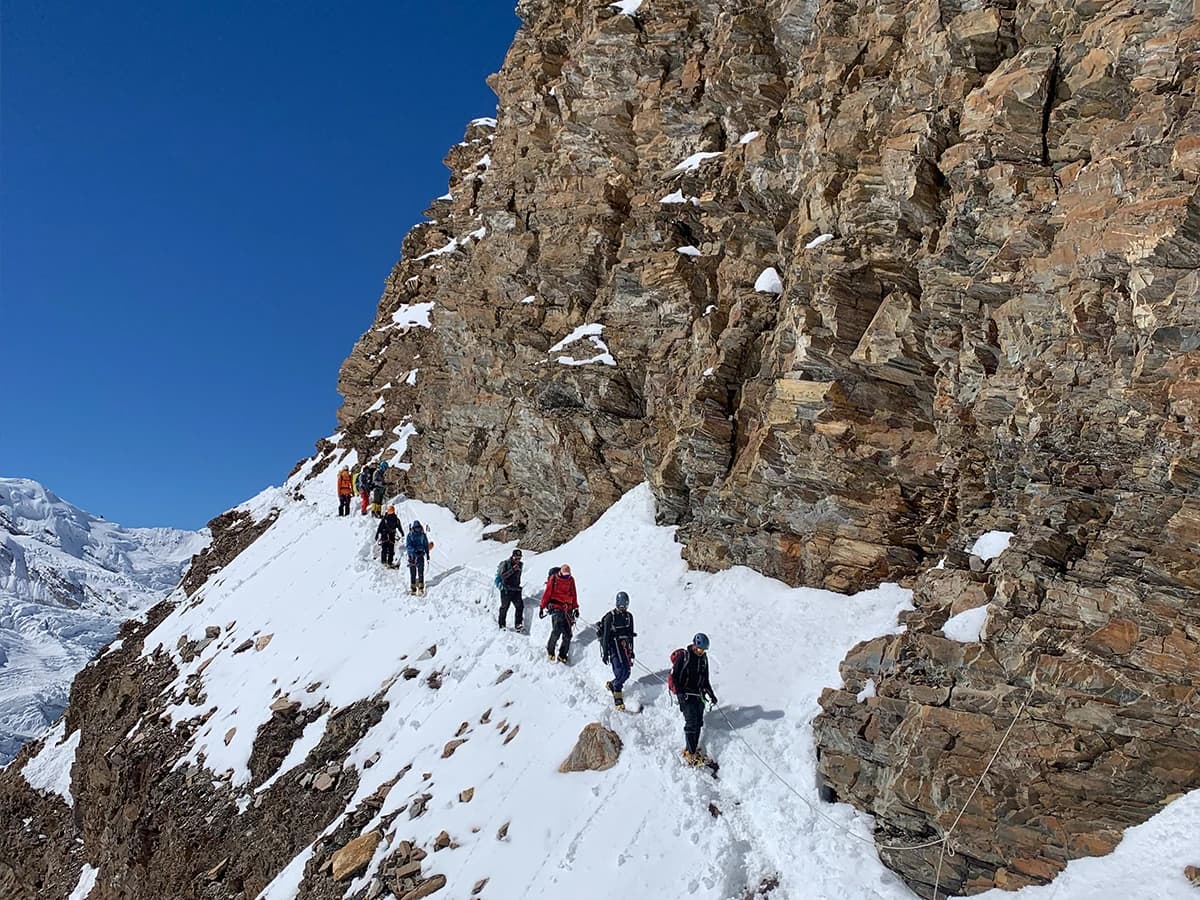
Climbing route of the Himlung Himal, the most popular route is the Northwest Ridge Route. It involves navigating glaciers, crevasse zones, and steep snow/ice slopes, especially above Camp II. Fixed ropes are generally installed by Sherpa guides on the steeper and more technical sections. The most sections of the Himlung climbing routes involves 30 degrees steepness and only the final section, near the summit steepen up to 40 degrees. The routes up to Camp II is more rock and moraine but from Camp II it is snow slopes.
Himlung is graded as intermediate/advanced or challenging (PD + to AD Alpine Grade). While considered less technical than some other 7,000 meters peaks (like Ama Dablam), it is significantly more demanding than most trekking peaks (6,000 meters peaks like Mera Peak or Island Peak). Climbers must need proficiency in using crampons, ice, axes, and ascending/descending in fixed ropes (jummaring and rappelling/abseiling).
Himlung Himal Climbing History
It was closed to foreigners until the early 1990s. After opened Himlung Peak to climbers in 1992, the first ascent conquer by a Japanese Expedition team on October 3, 1992. They were Osamu Hanai, Akio Koizumi, and Nima Sherpa who had successfully summited Himlung Expedition. The successful ascent occurred shortly after the Nepalese government officially opened the isolated region to mountaineering expeditions in 1992.
Why Do Himlung Himal Expedition
Climbing the Himlung Himal (7,126m) Expedition is appealing to mountaineers for several key reasons, primarily due to its unique combination of accessibility, high-altitude challenge, and cultural isolation. It is often chosen as a crucial stepping stone in a climber’s progression.
The ideal stepping stone to 8,000m peaks
- Easiest 7,000 Meter Peak: Himlung Himal is widely regarded as one of the least technically challenging and safest climbs among the 7,000 meter mountains, boasting one of the highest summit success rates.
- High Altitude Test: It provides a perfect testing ground for operating at extreme altitude (above 7,000m) without the extreme objective dangers or technical difficulty of other major Himalayan giants.
- Skill Development: Climbers can develop and practice essential expedition skills like using fixed ropes (jumaring and rappelling), glacier travel, and managing multiple high camps- in a more controlled high-altitude environment, preparing them mentally and physically for the demands of 8,000-meter expeditions like Manaslu or Everest.
Remote and Authentic Himalayan Experience
- The Hidden Nar-Phu Valley: The expedition begins with a challenging and spectacular trek through the restricted, pristine, and remote Nar-Phu Valley. This area has been largely untouched by mainstream tourism and offers a truly ‘off-the-beaten-path’ experience.
- Cultural Immersion: The journey exposes climbers to ancient, isolated Tibetan-influenced villages, Buddhist monasteries, and a unique, preserved loval culture, providing a profound experience that is often lacking on more commercialized routes.
- Less Crowded: Unlike some of the more famous peaks, Himlung offers a quieter, more authentic mountaineering adventure, giving climbers a greater sense of solitude and wilderness.
A Complete Mountaineering Challenge
- A Balance of Difficulty: While considered less technical, it is by no means an easy climb. It is graded as semi-technical (Alpine PD + to AD) and demands excellent physical fitness and anmental resilience to endure the long days, extreme excellent cold, and significant altitude.
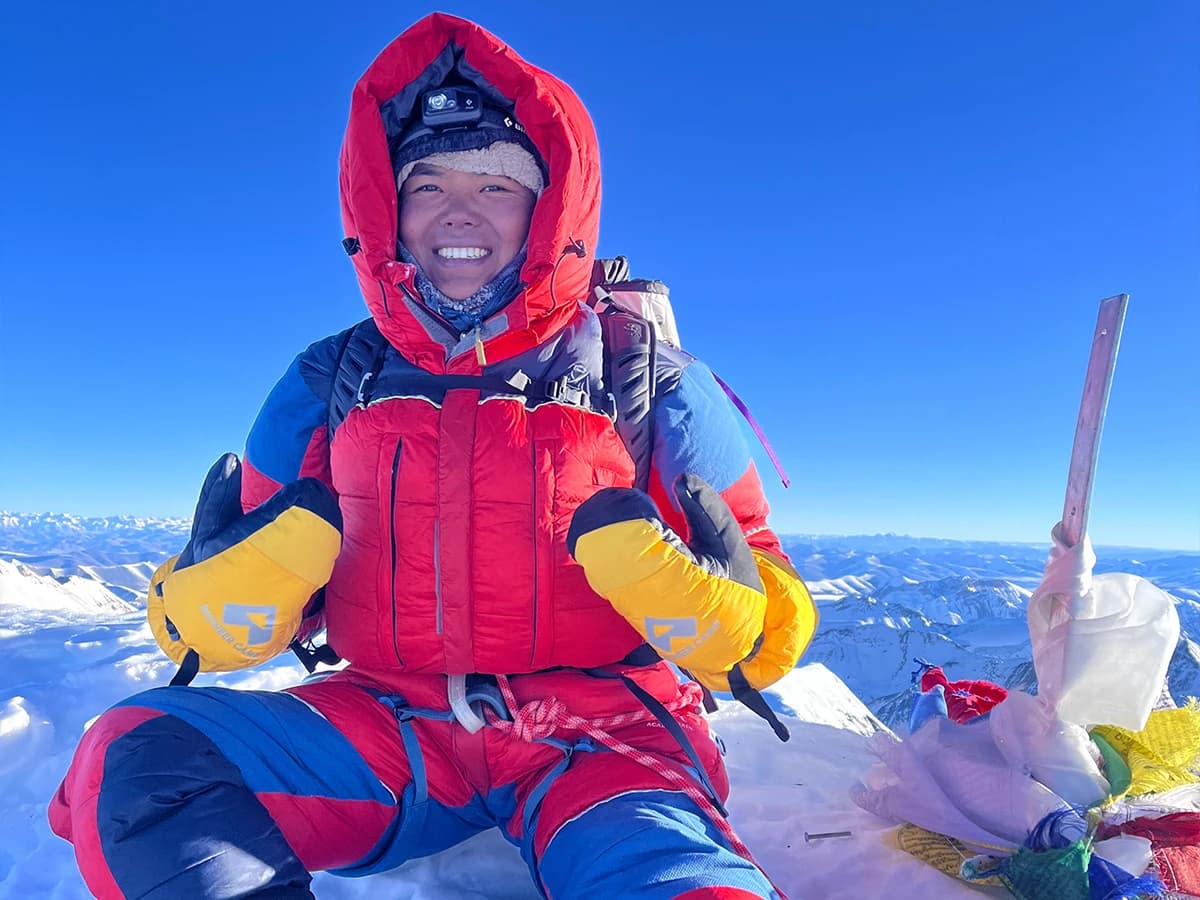
- Stunning Views: The summit rewards climbers with breath-taking panoramic views of massive Himalayan ranges, including Annapurna, Manaslu, and the surrounding peaks near the Tibetan border.
- True Expedition Feel: The multi-week nature of the climb, including establishing Base Camp and multiple High Camps, rotations for acclimatization, and waiting for weather windows, provides the full, immersive experience of a major Himalayan expedition.
Are you ready for Himlung Himal Expedition? How to Prepare for the Trip?
The Himlung Himal Expedition is a moderately challenging but incredibly rewarding adventure. To ensure you are well-prepared for the Trip and keep your body healthy and fit. If you are a regular climber, trekker, and hiker it can also encourage you to climb successfully without causing any harm related to high altitude sickness. Manage your gear and equipment for your expedition purchase good quality warm climbing and trekking equipment for yourself that can be used for a long time so, invest money only for quality products to protect your body from the cold and harsh weather conditions in the high elevation.
Physical Fitness
- Cardiovascular Endurance: Build your stamina with activities like hiking, running, swimming, or cycling. Aim for at least 30 minutes of moderate-intensity exercise most days of the week.
- Strength Training: Focus on lower body exercises (squats, lunges, calf raises) to strengthen your legs, which will be crucial for the trek and peak climbing.
- Flexibility: Incorporate stretching exercises into your routine to improve your range of motion and prevent injuries.
Acclimatization
- To acclimatize your body spend a few days at lower altitudes before attempting the climb. This will help your body adapt to the thinner air.
- Gradual Ascent: Plan your climbing with acclimatization days to allow your body to adjust to the high altitude.
- Listen to Your Body: Pay attention to symptoms like headache, nausea, or fatigue. If you experience any of these, rest and consult a medical professional.
Mental Preparation
- Positive Mindset: Cultivate a positive attitude and a strong mental outlook. The trek and peak climbing physically demanding, so having a positive mindset will help you overcome challenges.
- Research and Planning: Learn about the trekking and peak climbing its route, and the weather conditions. This knowledge will help you feel more prepared and confident.
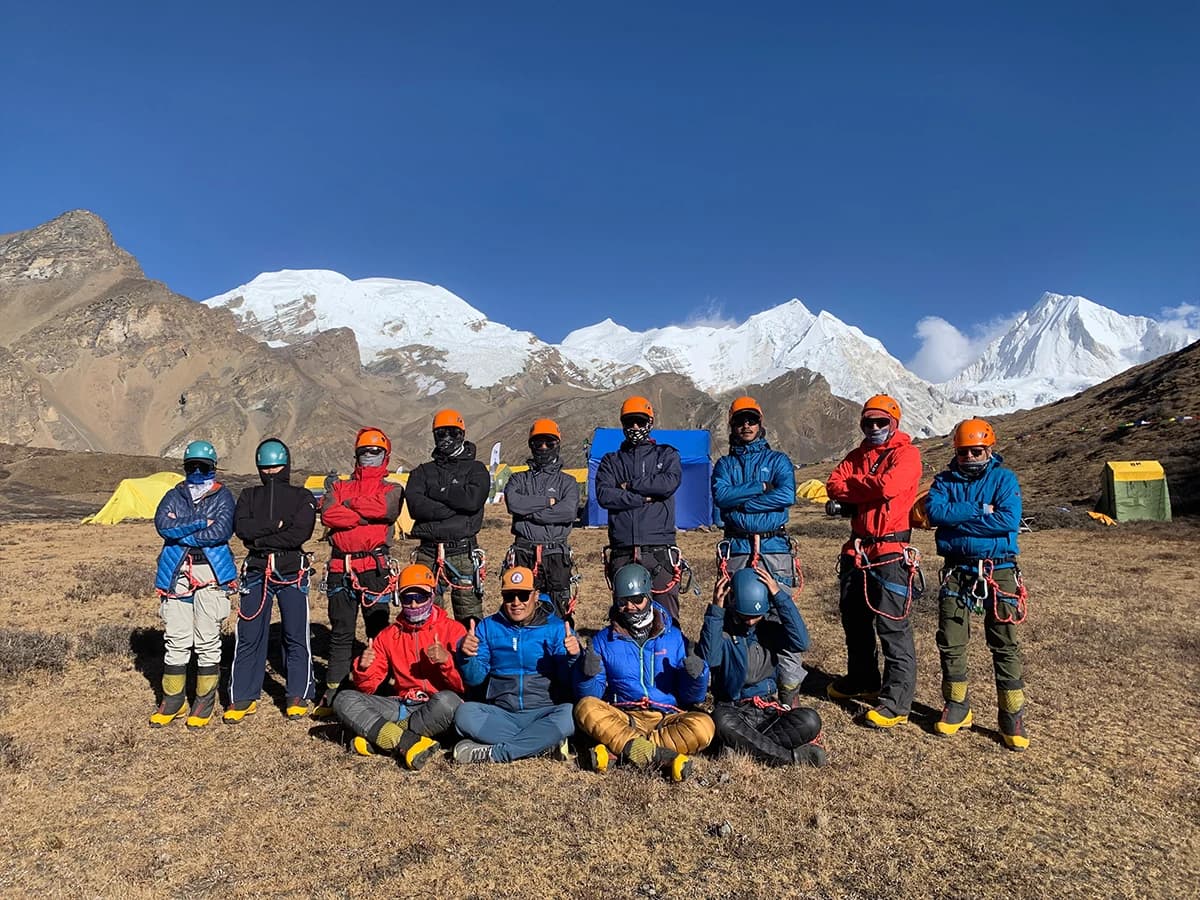
- Hire a guide: A qualified guide will help you navigate the terrain, assess the weather conditions, and provide safety tips.
Himlung Himal Expedition Packing list
Head Wears
- Woollen hats
- Head buff
- Neck gaiters (2-3)
- Fleece cap
- Balaclava
- Buff masks
- Sun/Desert caps
- 100% UV-protected sunglasses 2pc
- UV-protected sunglasses
- Glacier glasses (UV protected)
Hand Wears
- Hand warmer
- Glove thick 3 pair
- Summit gloves
- Glove warm pair gore-tax 3 to 4 pairs
Upper Body Wears
- Thermal layers and fleece
- Quick dry T-shirt
- Gore-tax jacket (1)
- Warm thick down jacket (1)
- Fleece jacket (1)
- Wind proof jacket
- Cotton T-shirt for base camp (2-3)
- Summit jackets (1)
Lower Body Wear
- Trekking pants (2-3)
- Thermal trousers (2)
- Gore-tax pants (1)
- Down pants (1)
- Under wear (5-6)
Foot Wear
- Slippers (1)
- Trekking socks (5-6)
- Summit socks (2)
- Comfortable trekking boots (1)
- Alpine or summit boots (1)
Climbing Gears and Equipment
- Helmet
- Harness
- Belly device/ATC guide
- Lock/unlock carbineers (3+3)
- Crampons (fit with boot)
- Jumars/Ascender
- Prusik rope (1)
- Auxiliary ropes
- Tape sling ropes (2)
- Dynamic ropes
- Snow goggle
- Ice axe
- Alpine boots
- Down suit (kailas/marmot/mountain)
Sleeping Bags
- Sleeping bag -20 degree Celsius (for base camp)
- Down Sleeping bag -20 to -40 degree Celsius (extreme comfort)
- Thermarest Mattresss (cell foam/inflatable) and down warm mattress
Miscellaneous
- Headlamp
- Batteries
- Reusable water bottles
- Water purification tablets
- Thermos/pocket knife
- Trekking pole
- Raincoats
- Satellite phone
- Trekking bag
- Backpack (rucksacks 45L-55L)
- Duffle bag 90L-120L (2pc)
- Water proof stuff sacks small (2pc)
- Personal first aid kit
- Adapter/charger/power bank, and rechargeable batteries recommended)
- Dry fruits/nuts and chocolates
- Sun protection camera, etc.
Travel Documents
- Valid passport
- Credit Card
- PP size photos 2 or 4
- insurance papers
- contact address
- Family members/company’s contact address
Toiletries
- Toilet paper
- Deodorant
- Shampoo and soap
- Wet tissue
- Toothbrush/toothpaste hand sanitizers
- Sun lotion, moisturizer, sunscreen, & lip balm
- Garbage bags
- Quick dry towel, umbrella etc.
Get the Best Himlung Himal Expedition Service with Sherpa Summits
We, Sherpa Summits, specialize in crafting unforgettable trekking and peak climbing experiences for both domestic and international adventures in Nepal. Our dedicated team is committed to providing exceptional support throughout your trekking and peak climbing trips. From acquiring essential permits and arranging transportation to handling every logistical detail, we ensure a seamless experience tailored to your preferences.
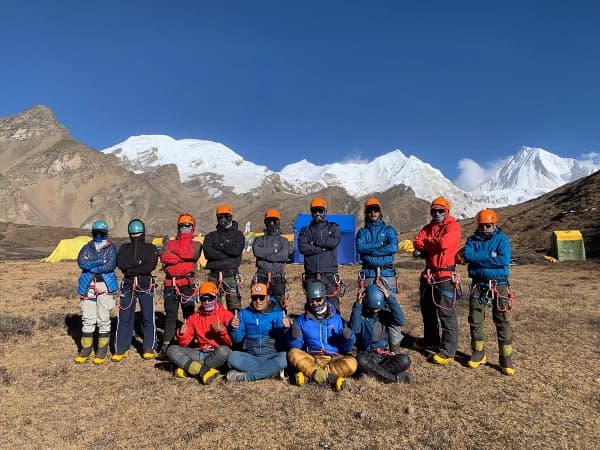
Enjoy the epitome of quality service at an affordable price with our Himlung Himal Expedition package. Whether you’re embarking on a solo adventure peak climbing or exploring the Himalayas with family, friends, or a partner, your safety and satisfaction are our top priorities. Our expert IFMGA guides, assistant guides, and trustworthy porters are fluent in English and other languages, guaranteeing effective communication and cultural exchange.
Customize your Himlung Himal Expedition to align perfectly with your desires. Select your preferred departure date, group size, and daily itinerary. We welcome trekkers of above all ages in trekking and in peak climbing above 19 to 65 ages, as long as you possess the necessary physical and mental fitness. Rest assured, there are no hidden costs involved and you will receive transparent pricing for your trekking and peak climbing.
Embark on the adventure of a lifetime with Sherpa Summits. Our Himlung Himal Expedition bookings for 2026 and 2027 are now open. Don’t hesitate to contact us for any inquiries or to start planning your dream mountains expedition.